The Anatomy of a Plumbing System: Understanding Your Home’s Pipes and Fixtures Apr 04, 2026
A typical home plumbing system comprises two subsystems: the freshwater supply and the wastewater drainage. This dual structure, while complex, operates under a simple principle of supply and removal. Let's dive into the anatomy of these essential systems to give you a clearer picture of your home's intricate network of pipes and fixtures.
The heart of any plumbing system is the water supply line. This main line connects your home to the municipal water system or a private well. From this point, water is distributed to various fixtures through a series of meticulously designed pipes. Copper, PVC, and PEX are common materials used for supply piping, each offering unique advantages. Copper is durable and resistant to bacteria, PVC is affordable and easy to install, while PEX is flexible and less prone to bursting in cold weather.
Next, we have the fixtures—everything from sinks and toilets to faucets and showers. These components not only provide access to fresh water but also play a crucial role in wastewater removal. Fixture traps are particularly important as they prevent sewer gases from entering the home while allowing wastewater to pass unobstructed. These U-shaped pipes are found under every sink and are a critical part of the drainage system.
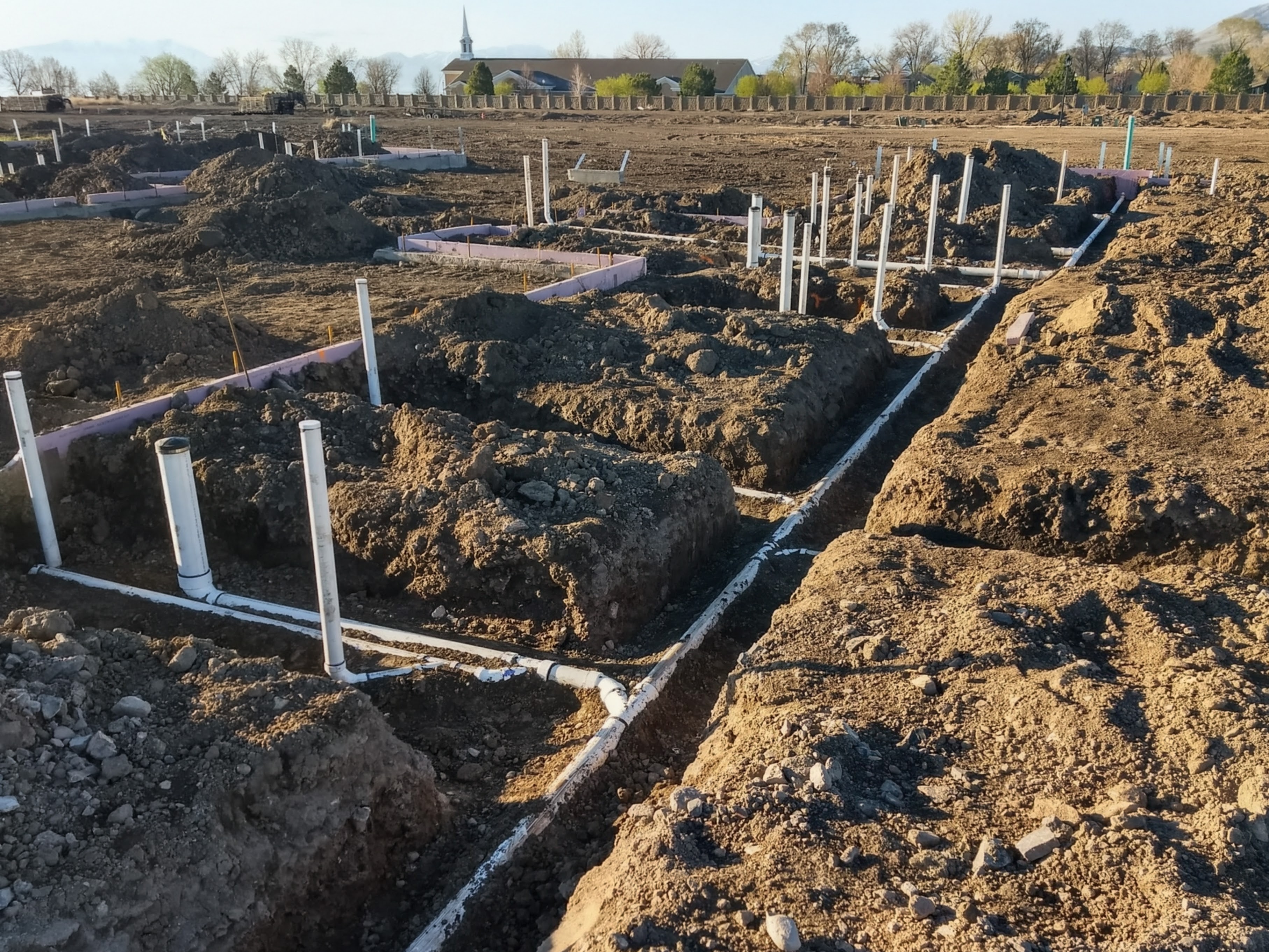
The drainage or waste removal system is the next vital component of your plumbing. This subsystem operates on gravity and consists of drainpipes, traps, and vents. The importance of sloped pipes cannot be overstated, as they ensure waste is efficiently moved to the sewer or septic tank. Proper ventilation is also essential; vent pipes allow waste gases out and air to come in, maintaining the pressure balance needed for wastewater to flow smoothly.
It's important to mention valves—an integral part of the plumbing system. Shut-off valves are typically located at every water supply fixture and at the main supply line, crucial for stopping water flow during repairs or emergencies. Regularly checking these valves for functionality can prevent water damage and ensure that they work properly in a crisis.
As we conclude, maintaining your plumbing system with regular inspections and repairs when necessary is of utmost importance. Leaks, clogs, and other issues often start small but can escalate into significant problems if left unchecked. Understanding your system's components can help you diagnose issues early and communicate effectively with professionals like those at Northline Plumbing.
In summary, while the details of a home's plumbing system may seem daunting, breaking it down into its core components reveals a more navigable framework. By familiarizing yourself with how the supply and drainage systems work, what the various pipes and fixtures do, and the crucial role of maintenance, you empower yourself with the knowledge to care for your home better. For more complex issues or regular maintenance, reaching out to experts like those at Northline Plumbing ensures your system remains in top shape, sustaining the comfort and convenience you rely on daily.
/filters:no_upscale()/filters:format(webp)/media/5f789119-f90c-45e2-9b15-8690907e1562.jpeg)